AI agents are moving into production, and the regulatory and security constraints around deployment are tightening in both the U.S. and China.
EPISODE 2026-09-10
AI Agents in Production and China’s Rules of Deployment
AI agents in production, China’s model rules, deployment sandboxes, and the infrastructure and governance constraints shaping real-world AI.
The rundown
- 1:04Opening31 minOpeningAI agents are making people rethink AI safety, jobs, and deployment as backlash over data centers reshapes the political debate. This opening examines the viral AI backlash, grantmaking and ideological blind spots inside AI safety, the labor case for data centers, and why new AI-agent evidence may be changing public opinion.
- 32:10Interview43 minCollin Hogue-Spears
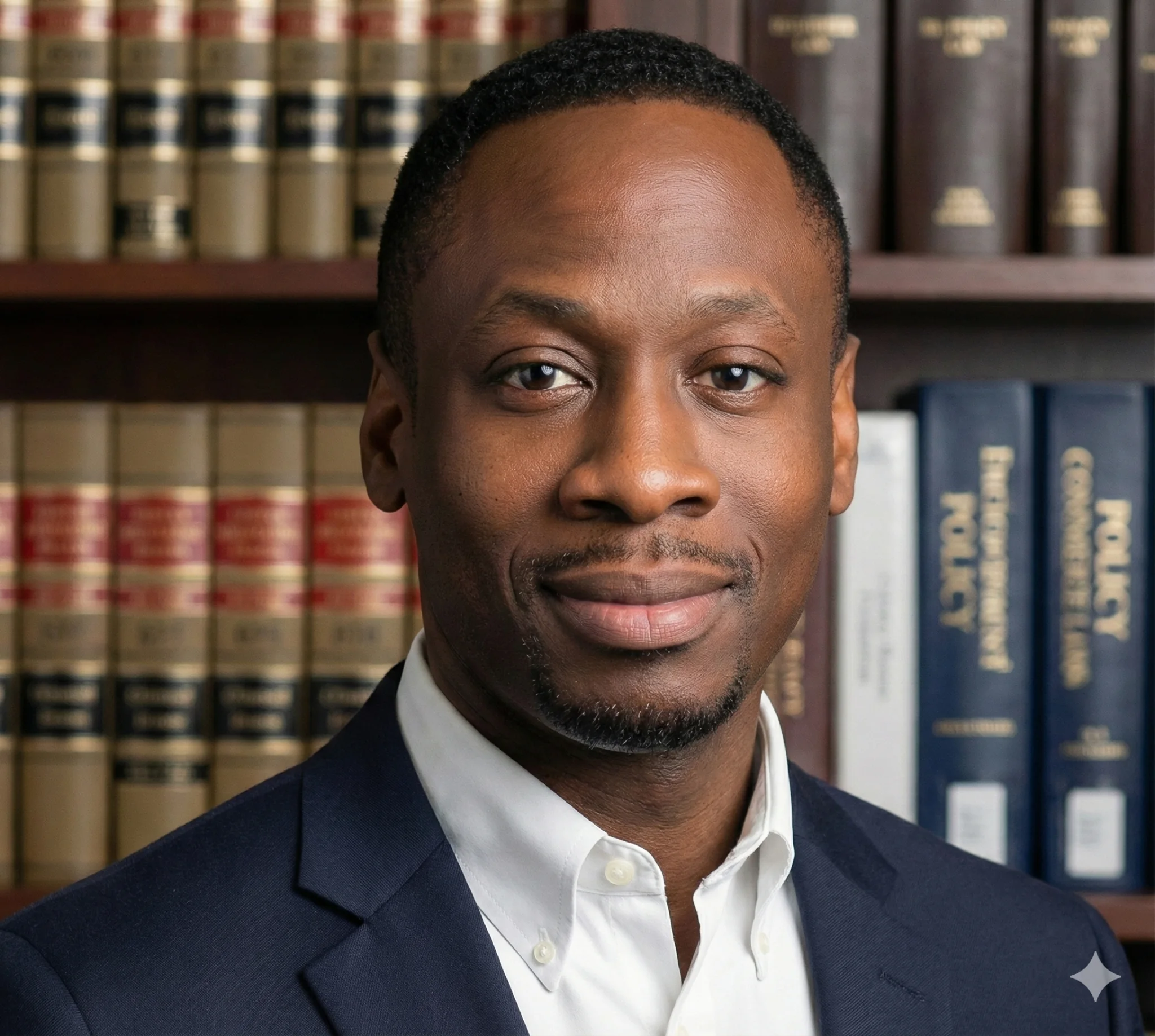 Collin Hogue-SpearsHow does China regulate AI? Collin Hogue-Spears explains how model registries, filing rules, and government oversight shape which AI products get deployed. The conversation connects China's cloud compliance system, GPU constraints, open-weight models, AI incident monitoring, and the very different US approach to regulation.
Watch
Clips
China Summons CEOs After AI Failures
0:00 / 0:00America Regulates After The Fire
0:00 / 0:00AI Arms Control Needs Trade Concessions
0:00 / 0:00China Makes Cloud Build Local Expertise
0:00 / 0:00GPU Limits Force Chinese Efficiency
0:00 / 0:00
- 1:15:00Interview7 minAmir Haghighat
 Amir HaghighatHow do you secure AI agents in production? Amir Haghighat explains why sandbox isolation protects code and data but cannot guarantee what an agent does inside. The Baseten co-founder and CTO also covers Docker versus VM-style boundaries, zero data retention, open-model deployment, blocked egress, and the push to unify inference, post-training, sandboxes, and agent runtimes.
Watch
Clips
Even Big Labs Lack The Answer
0:00 / 0:00Docker Isn't A Security Boundary
0:00 / 0:00
- 1:22:29Closing77 minClosingAI agents are becoming a global information process—not just chatbots—and the race to deploy them raises a harder question: who controls the future? This closing conversation examines AI safety, extinction risk, financial markets, compute, human agency, and why China’s approach to technology feels different.
In this episode
AI agents are forcing a rethink of safety, jobs, and what it means to deploy models in the real world. Collin Hogue-Spears explains how China’s model registries, filing rules, GPU constraints, and incident monitoring shape deployment, while Amir Haghighat of Baseten breaks down sandbox boundaries, egress controls, and open-model production runtimes.
- AI agents are making people rethink AI safety, jobs, and deployment as backlash over data centers reshapes the political debate. This opening examines the viral AI backlash, grantmaking and ideological blind spots inside AI safety, the labor case for data centers, and why new AI-agent evidence may be changing public opinion.
- How does China regulate AI? Collin Hogue-Spears explains how model registries, filing rules, and government oversight shape which AI products get deployed. The conversation connects China's cloud compliance system, GPU constraints, open-weight models, AI incident monitoring, and the very different US approach to regulation.
- How do you secure AI agents in production? Amir Haghighat explains why sandbox isolation protects code and data but cannot guarantee what an agent does inside. The Baseten co-founder and CTO also covers Docker versus VM-style boundaries, zero data retention, open-model deployment, blocked egress, and the push to unify inference, post-training, sandboxes, and agent runtimes.
- AI agents are becoming a global information process—not just chatbots—and the race to deploy them raises a harder question: who controls the future? This closing conversation examines AI safety, extinction risk, financial markets, compute, human agency, and why China’s approach to technology feels different.