The live AI briefing · several mornings a week, 9am PT
The live AI briefing the builders watch.
Conversations with the people building, researching and funding AI. Hosted by Nathan Labenz and Prakash Narayanan.
The AI in the AM briefing
Start your morning with AI in perspective.
The AI stories worth your attention, curated by Nathan and Prakash. Plus today’s guests and links to watch live. In your inbox every weekday morning.
Free, every weekday morning.
The AI in the AM briefing · every weekday
Who’s been on AI in the AM
Founders, researchers and investors building AI, in conversation with Nathan and Prakash.
 Evan ConradCo-founder & CEO, SF Compute
 Joel BorgenAuthor, The Receipt Horizon
 Lonis HamailiManaging Partner, Cambrian
 Jeremie HarrisCo-founder & CEO, Gladstone AI
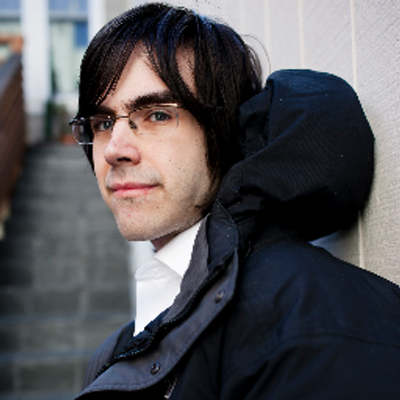 Zvi MowshowitzBlogger, Don't Worry About the Vase
 Steve HouHead of Research, Silicon Data
 Cameron BergFounder & Director, Reciprocal Research
 Edouard HarrisCo-founder & CTO, Gladstone AI
 Phil MaherFounder, Stockfilm
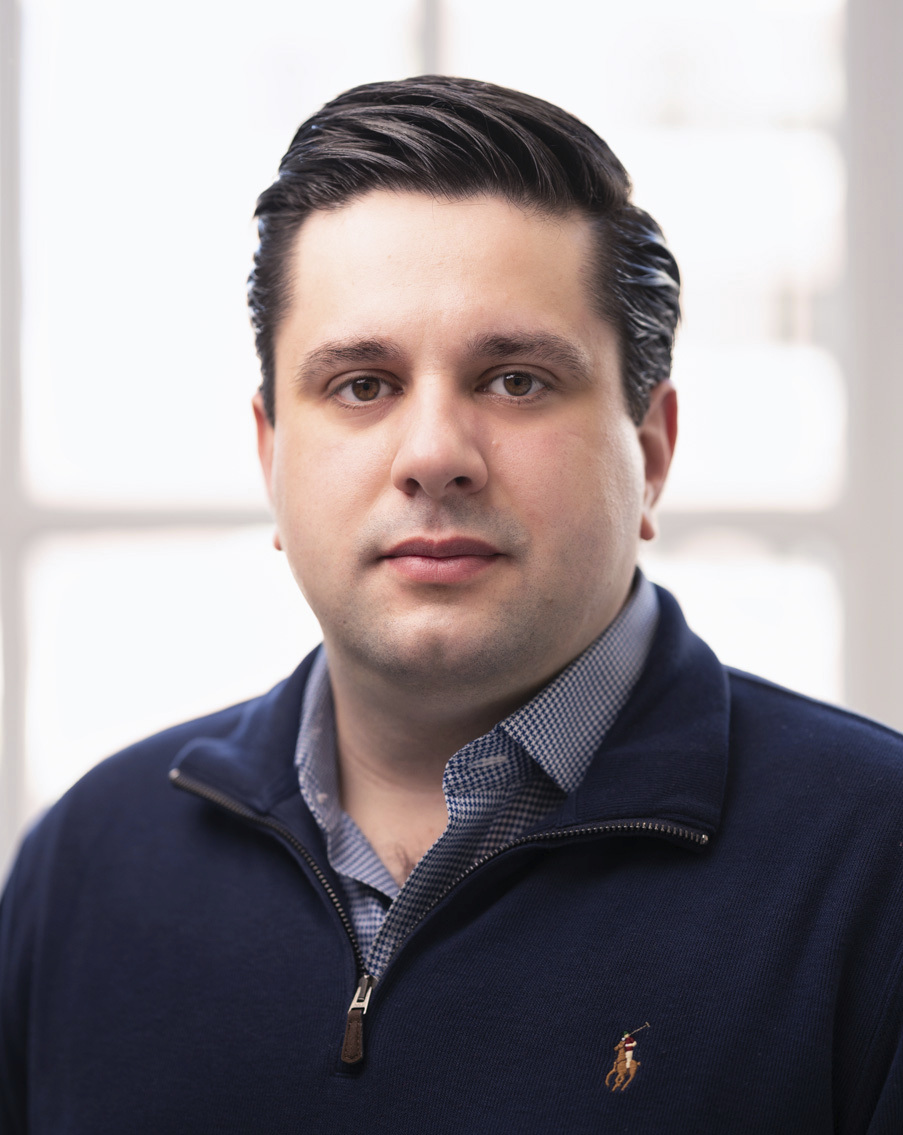 Andrei GeorgescuCEO, Vivodyne
 Everett HildenbrandtCEO, Runtime Verification
 Nick GillianCTO, Cofounder, Archetype AI
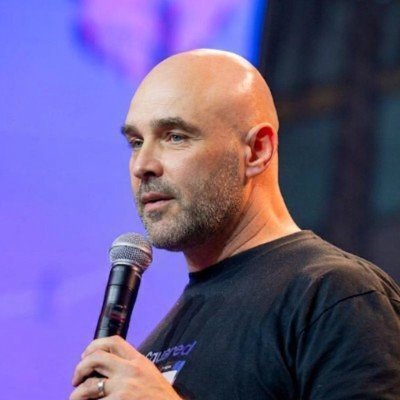 Grigore RosuFounder, Runtime Verification
 Lewis HammondResearch Director, Cooperative AI Foundation
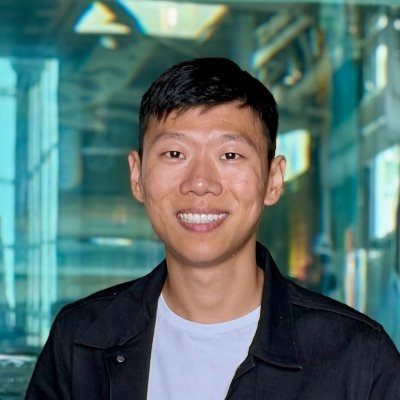 Edward HuHead of AI Modeling, Mercor
 Wayne NelmsCo-Founder & CTO, Ornn
 Evan MiyazonoFounder & CEO, Atlas Ignota
 Max NadeauProgram Officer, Technical AI Safety, Coefficient Giving
 Shawn Wang (swyx)Curator, AI.Engineer
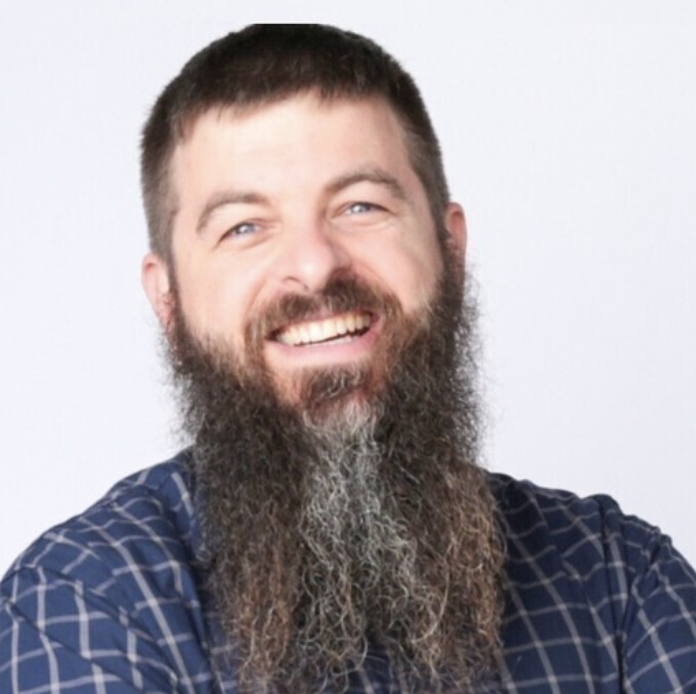 Justin McCarthyFounder & CEO, Diffusion
 Thomas SohmersCo-founder & CTO, Positron AI
 Lukas PeterssonCo-founder, Andon Labs
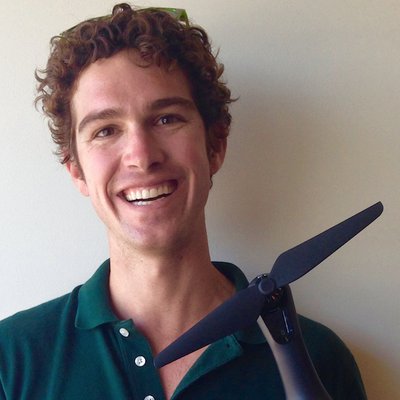 Daniel McKinnonCEO, Gamow Labs
 Simone & Malcolm CollinsFounder, Rfab.ai, Based Camp, Pronatalist.org, Hard EA
More conversations.
Browse all episodes →Inside the briefing
 AI in the AM
Loading the latest briefing…
Read the latest briefing on Substack ↗Your hosts
Prakash Narayanan
Prakash Narayanan focuses on AI deployment and the people building for the real economy.
@8teapi ↗Nathan Labenz
Nathan Labenz focuses on AI research, safety and the risks of rapid capability gains.
@labenz ↗