Andrei Georgescu and Nick Gillian discuss robotic human-tissue labs, sensor-fusing AI, and the changing meaning of safety.
EPISODE 2026-09-25
Human Tissue Models, Physical AI, and the Future of Testing
Vivodyne’s Andrei Georgescu and Archetype AI’s Nick Gillian discuss human tissue drug testing, Physical AI, product safety, and AI in biology.
The rundown
- 2:38Opening31 minOpeningAI safety is not just about extinction scenarios—it also means making everyday AI products safe, reliable, and accountable. The hosts debate who should own product safety, why labs may be philosophically confused about model behavior, and how AI agents could change consumer power.
- 1:18:37Interview49 minAndrei Georgescu
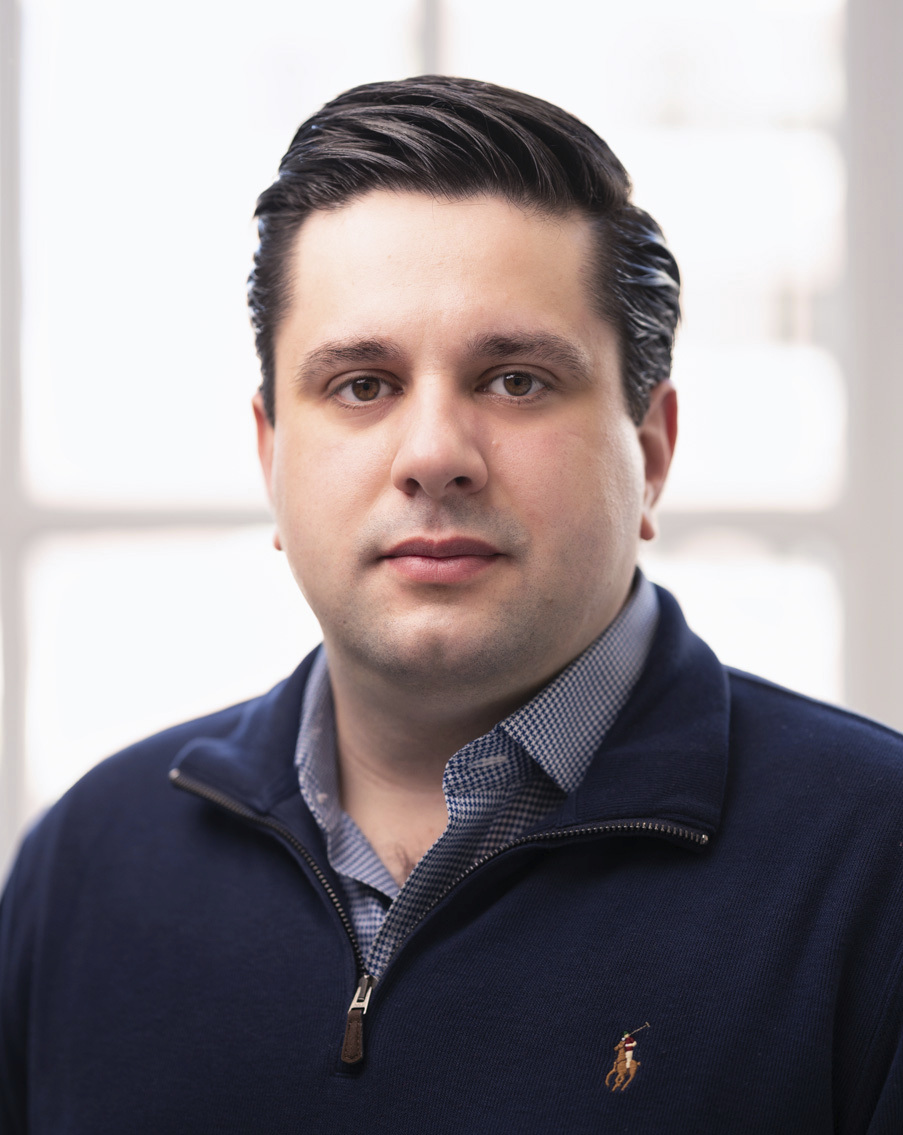 Andrei GeorgescuHuman tissue models could expose drug toxicity and efficacy problems before clinical trials. Andrei Georgescu explains how Vivodyne combines vascularized tissues, robotics, multi-omic measurement, and foundation models to test therapies at scale and guide better experiments.
Watch
Clips
Common Toxicity Is The Real Problem
0:00 / 0:00CAR-T Cells Miss Tumors In Patients
0:00 / 0:00Answering Drug Questions Before Clinic
0:00 / 0:00Human Tissues Match Clinical Reality
0:00 / 0:00
- 33:33Interview45 minNick Gillian
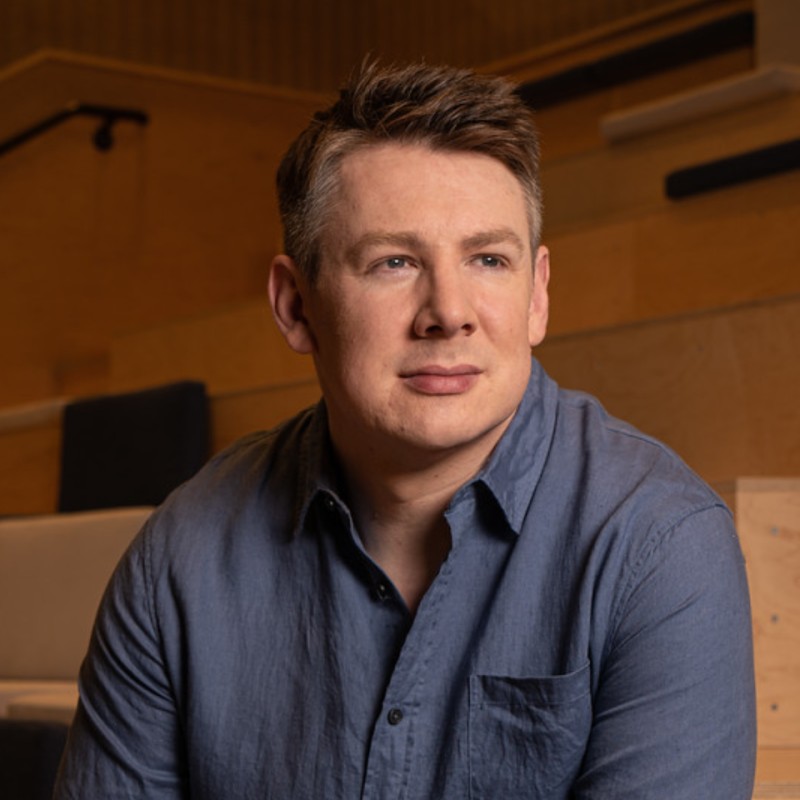 Nick GillianWhat is Physical AI, and how can one model understand machines, factories, and entire ecosystems? Nick Gillian explains how Archetype AI’s Newton model fuses radar, cameras, lidar, and time-series data to detect anomalies, predict safety events, and control physical systems in real time. The conversation covers sensor alignment, zero-shot adaptation, edge deployment, industrial productivity, and the bridge between digital and physical agents.
Watch
Clips
Newton Finds Hidden Storm Productivity Costs
0:00 / 0:00Physical AI Goes Beyond Robots
0:00 / 0:00Two Outputs: Humans And Machines
0:00 / 0:00AI Sees Patterns Humans Cannot
0:00 / 0:00Physical Agents Join The Superintelligence Loop
0:00 / 0:00
- 2:07:19Closing36 minClosingCan AI create useful medical breakthroughs before scientists fully understand biology? This closing conversation examines specialist models, scientific discovery, CRISPR research, and why biology may deliver practical value before complete causal understanding.
In this episode
Vivodyne’s Andrei Georgescu explains how vascularized human tissue models, robotics, multi-omic measurement, and foundation models could improve drug testing before clinical trials. Archetype AI’s Nick Gillian discusses Newton, a Physical AI model that combines sensor data to understand and predict events in the real world; the hosts also examine AI product safety, OpenAI and Anthropic’s alignment philosophies, CRISPR research, and whether AI can deliver useful advances in biology before it is fully understood.
- AI safety is not just about extinction scenarios—it also means making everyday AI products safe, reliable, and accountable. The hosts debate who should own product safety, why labs may be philosophically confused about model behavior, and how AI agents could change consumer power.
- Human tissue models could expose drug toxicity and efficacy problems before clinical trials. Andrei Georgescu explains how Vivodyne combines vascularized tissues, robotics, multi-omic measurement, and foundation models to test therapies at scale and guide better experiments.
- What is Physical AI, and how can one model understand machines, factories, and entire ecosystems? Nick Gillian explains how Archetype AI’s Newton model fuses radar, cameras, lidar, and time-series data to detect anomalies, predict safety events, and control physical systems in real time. The conversation covers sensor alignment, zero-shot adaptation, edge deployment, industrial productivity, and the bridge between digital and physical agents.
- Can AI create useful medical breakthroughs before scientists fully understand biology? This closing conversation examines specialist models, scientific discovery, CRISPR research, and why biology may deliver practical value before complete causal understanding.