 AM


Mistral researcher Sagar Vaze explains how the team rescued Large 4, while ServiceNow’s Michael Freeman describes AI-driven attacks that cost just cents.
The briefing
Opening
The conversation
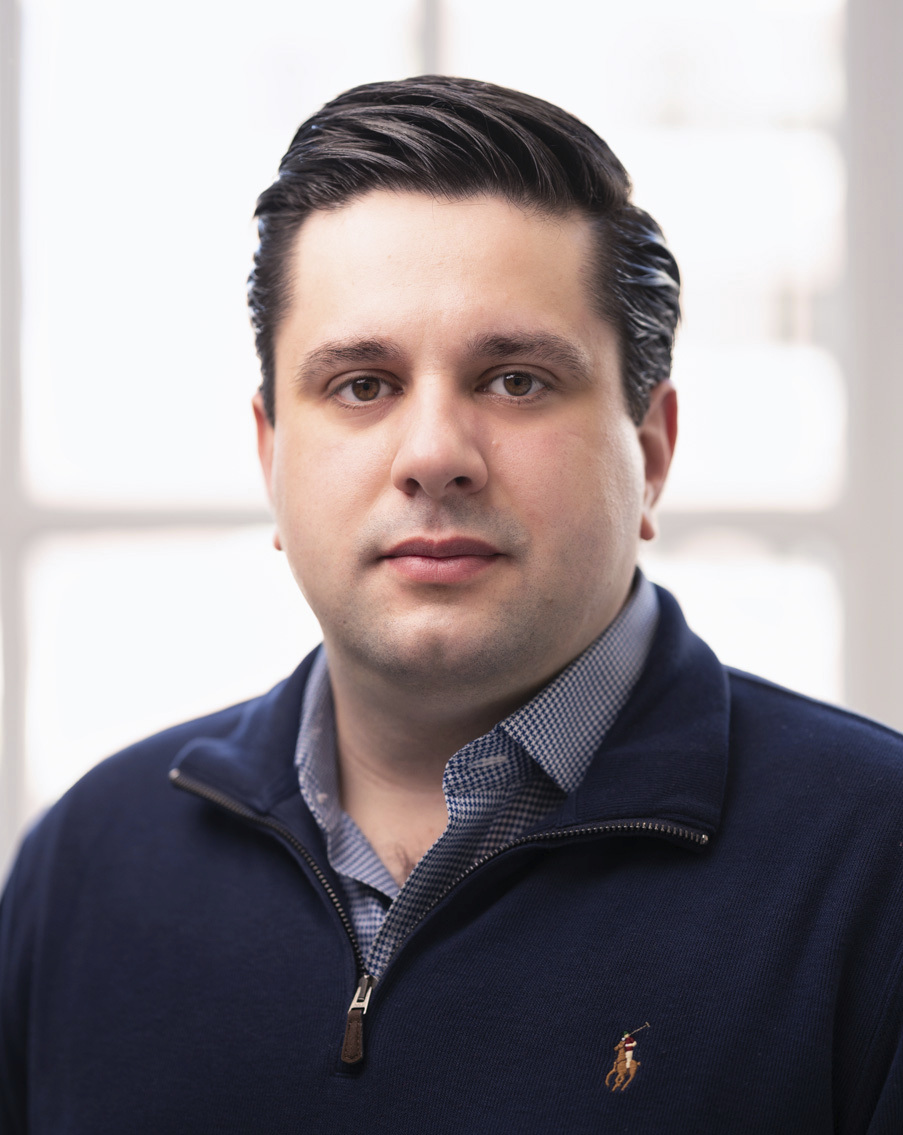
Michael Freeman
AI cyberattacks are getting cheaper. Can enterprise defenses keep up when credential leaks survive every software patch? Michael Freeman, Senior Director of Threat Research at ServiceNow, co-founded the AI threat-hunting company CTCI, acquired by Armis. He reports AI-driven compromises costing 5–10 cents in recent attacks on Southeast Asian companies, with agents progressing from initial access to credential hunting and persistence. He argues that defenders need to understand their business processes—not just find software flaws—and explains why successful lab tests still have not made autonomous patching reliable enough for critical infrastructure. How agents find production API keys in support tickets—and why patching software does not close that route. Why finding millions of vulnerabilities still leaves years of testing and repair, while a shared password-reset process creates fresh exposure. How enterprise limits of three or four security vendors push suppliers to build or acquire missing capabilities.
Clips from this conversation
The conversation
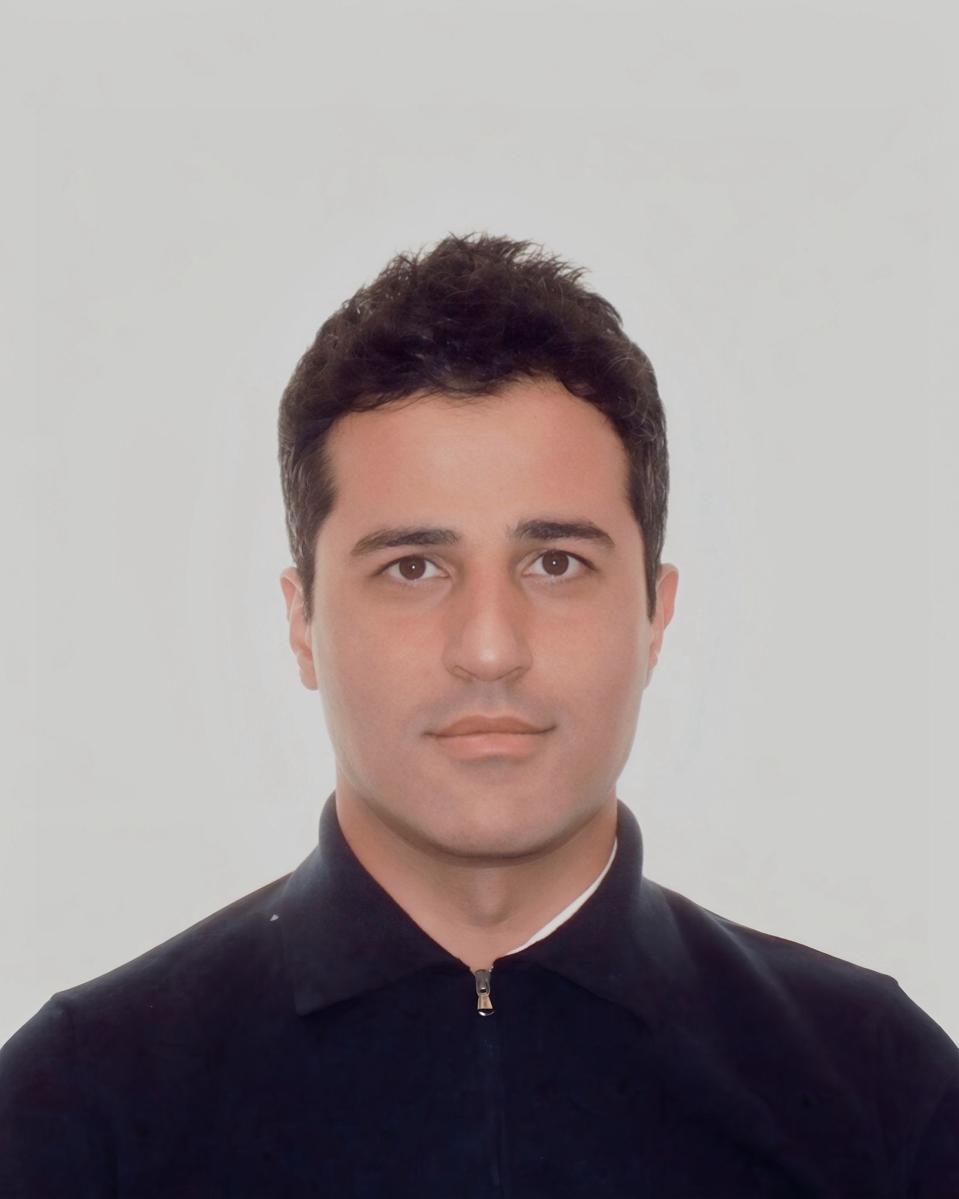
Sagar Vaze
Mistral Large 4 hit a mid-training problem. How did the team rescue a trillion-parameter model on limited compute? Sagar Vaze, Research Scientist at Mistral, leads its multimodal team. He explains how a problem discovered halfway through Large 4’s training forced an all-hands investigation: substantial compute was already spent, and the team couldn’t run several flagship attempts in parallel. The patch worked better than expected, he says, but scaling further requires more reliable diagnosis and repair—not just predictions from smaller experiments. How sparse experts activate about 50 billion parameters per token in a trillion-parameter model. Why customer deployments made satellite imagery a bigger training priority than researchers expected. How training on images from the first step improved visual understanding without sacrificing coding performance.
Clips from this conversation
Closing
Closing
In this episode
ServiceNow threat researcher Michael Freeman describes AI-driven compromises costing 5–10 cents, credential theft through support tickets, and why autonomous patching is not ready for critical infrastructure. Mistral researcher Sagar Vaze explains the rescue of Large 4 during training, its sparse trillion-parameter design, the push for stronger multimodal skills, and the case for open weights amid limited compute.
- AI cyberattacks are getting cheaper. Can enterprise defenses keep up when credential leaks survive every software patch? Michael Freeman, Senior Director of Threat Research at ServiceNow, co-founded the AI threat-hunting company CTCI, acquired by Armis. He reports AI-driven compromises costing 5–10 cents in recent attacks on Southeast Asian companies, with agents progressing from initial access to credential hunting and persistence. He argues that defenders need to understand their business processes—not just find software flaws—and explains why successful lab tests still have not made autonomous patching reliable enough for critical infrastructure. How agents find production API keys in support tickets—and why patching software does not close that route. Why finding millions of vulnerabilities still leaves years of testing and repair, while a shared password-reset process creates fresh exposure. How enterprise limits of three or four security vendors push suppliers to build or acquire missing capabilities.
- Mistral Large 4 hit a mid-training problem. How did the team rescue a trillion-parameter model on limited compute? Sagar Vaze, Research Scientist at Mistral, leads its multimodal team. He explains how a problem discovered halfway through Large 4’s training forced an all-hands investigation: substantial compute was already spent, and the team couldn’t run several flagship attempts in parallel. The patch worked better than expected, he says, but scaling further requires more reliable diagnosis and repair—not just predictions from smaller experiments. How sparse experts activate about 50 billion parameters per token in a trillion-parameter model. Why customer deployments made satellite imagery a bigger training priority than researchers expected. How training on images from the first step improved visual understanding without sacrificing coding performance.
Sources and corrections
Have a correction or a source to add? Contact the editorial team with the episode and relevant passage.
Back to video ↑